
Japan is known for preserving centuries-old traditions while embracing modern innovation. This unique balance can be seen in everyday life, where historic temples stand alongside futuristic cityscapes and long-standing customs remain an important part of contemporary society. Understanding Japanese culture allows travelers to appreciate the country beyond its famous attractions.
Many cultural practices in Japan are rooted in values such as respect, harmony, simplicity, and appreciation for nature. These principles influence everything from architecture and art to festivals, dining etiquette, and seasonal celebrations, making each experience more meaningful for visitors.
The Values That Shape Japanese Society
Japanese traditions are closely connected to everyday life. Rather than existing only as historical customs, many continue to influence how people interact with one another, care for public spaces, and celebrate important occasions throughout the year.
Respect and Harmony
Respect for others is one of the foundations of Japanese society. Whether greeting someone with a bow, speaking politely, or maintaining orderly public spaces, these everyday actions reflect a cultural emphasis on harmony and consideration for the community. Visitors often notice this sense of mutual respect throughout their travels in Japan.
Read Also: Things to Do in Japan Beyond the Tourist Attractions
Living in Harmony with Nature
Nature plays an important role in Japanese culture. Seasonal changes are celebrated through festivals, cuisine, art, and outdoor traditions such as cherry blossom viewing and autumn leaf appreciation. This close relationship with nature has inspired countless aspects of Japanese design and daily life.
Read Also: Best Places to Visit in Japan
Traditional Arts That Continue to Thrive
Many traditional Japanese arts have been carefully preserved for generations. These practices are not only appreciated for their beauty but also for the philosophy and craftsmanship they represent.
The Japanese Tea Ceremony
The tea ceremony is much more than preparing and serving matcha. Every movement follows carefully established traditions that emphasize mindfulness, hospitality, and respect. Participating in a tea ceremony offers visitors a deeper understanding of Japanese aesthetics and cultural values.
Read Also: What to Eat in Japan
Ikebana and Traditional Crafts
Ikebana, the Japanese art of flower arranging, reflects the belief that beauty comes from balance, simplicity, and harmony with nature. Alongside ceramics, calligraphy, and traditional woodworking, it remains an important expression of Japan’s artistic heritage that continues to be practiced today.
Read Also: Japan Family Travel
Cultural Traditions You Can Experience While Visiting Japan
One of the most rewarding aspects of traveling in Japan is experiencing traditions firsthand. Many customs that have been practiced for centuries remain part of everyday life, giving visitors opportunities to understand the country’s cultural identity through authentic experiences rather than museum exhibits alone.
Wearing a Kimono
Renting a kimono is a popular way to immerse yourself in Japanese culture, particularly in historic districts such as Kyoto. Walking through traditional streets while wearing this iconic garment offers a unique perspective on Japan’s architectural heritage and creates memorable travel experiences.
Read Also: Where to Stay in Japan
Joining Seasonal Festivals
Festivals remain an important part of community life throughout Japan. These celebrations often feature traditional music, dance, food stalls, and ceremonial processions that have been passed down for generations. Participating in a local festival allows travelers to experience Japanese hospitality and regional traditions in an engaging and memorable setting.
Read Also: Things to Do in Japan Beyond the Tourist Attractions
How Traditional Design Reflects Japanese Culture
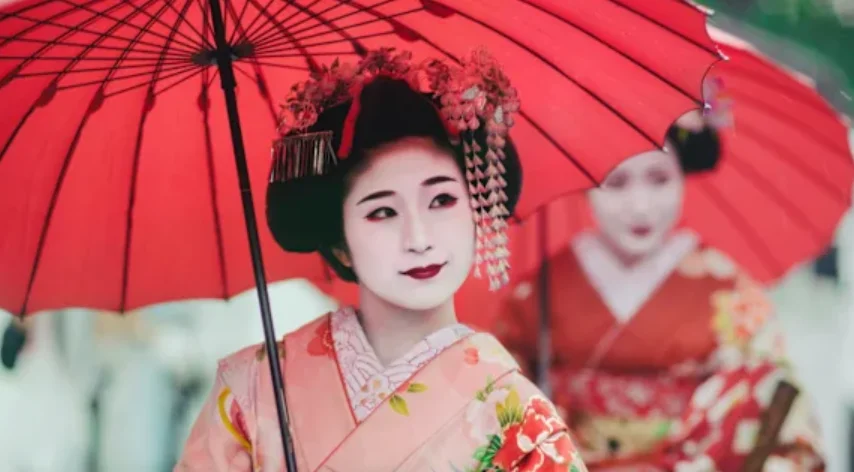
Japanese culture is also expressed through architecture and landscape design. Simplicity, balance, and a close relationship with nature are recurring themes that can be seen in homes, temples, gardens, and public spaces throughout the country.
The Beauty of Minimalism
Minimalist design in Japan focuses on creating calm and functional spaces rather than filling rooms with unnecessary decoration. Natural materials, soft lighting, and carefully arranged interiors contribute to environments that feel peaceful and welcoming.
Japanese Gardens as Cultural Symbols
Japanese gardens are designed to encourage reflection and appreciation of nature. Every element, from stones and water to carefully pruned trees, is intentionally placed to create harmony and balance. These landscapes are deeply connected to traditional philosophies such as Zen and continue to influence architecture and garden design around the world.
Understanding the ideas behind these landscapes allows visitors to appreciate them on a deeper level. If you’d like to learn more about the design principles, symbolism, and cultural significance of these tranquil spaces, this Japanese gardens landscape design guide provides a comprehensive introduction to one of Japan’s most enduring artistic traditions.
Read Also: Best Places to Visit in Japan
Simple Ways to Appreciate Japanese Traditions
You don’t need to be an expert in Japanese history to appreciate its culture. Small experiences, such as observing local etiquette, participating in seasonal events, or visiting historic neighborhoods, can provide meaningful insights into the values that continue to shape everyday life in Japan.
Learn Local Etiquette
Simple gestures like removing your shoes before entering certain buildings, speaking quietly on public transportation, and showing respect at shrines and temples help visitors better understand Japanese customs. Following these practices also demonstrates consideration for local communities.
Read Also: Japan Transportation Guide
Take Time to Observe Everyday Life
Some of the most memorable cultural experiences happen outside major tourist attractions. Walking through residential neighborhoods, browsing traditional shopping streets, or relaxing in a public garden allows visitors to appreciate the rhythm of daily life and the values of order, cleanliness, and hospitality that are deeply rooted in Japanese society.
Read Also: Japan Itinerary
Conclusion
Japanese culture and traditions continue to inspire people around the world because they combine history, craftsmanship, respect for nature, and a strong sense of community. From tea ceremonies and seasonal festivals to minimalist design and carefully maintained gardens, these traditions remain an important part of modern Japan.
Whether you’re planning your first visit or simply learning more about the country, exploring Japan’s cultural heritage provides a deeper appreciation of its identity. Taking time to experience these traditions will enrich your journey and create a stronger connection with the places and people you encounter.
Frequently Asked Questions
What are the main characteristics of Japanese culture?
Japanese culture emphasizes respect, harmony, simplicity, hospitality, and a close relationship with nature. These values influence daily life, art, architecture, and traditional customs.
Why are Japanese gardens important in Japanese culture?
Japanese gardens represent harmony between people and nature. Their carefully arranged landscapes reflect cultural philosophies such as balance, simplicity, and mindfulness.
Can travelers experience traditional Japanese culture today?
Yes. Visitors can enjoy tea ceremonies, seasonal festivals, kimono experiences, temple visits, traditional gardens, and local customs in many destinations throughout Japan.
What is the best way to learn about Japanese traditions?
Experiencing local customs firsthand, visiting cultural sites, participating in traditional activities, and respecting everyday etiquette are some of the best ways to understand Japanese traditions.


